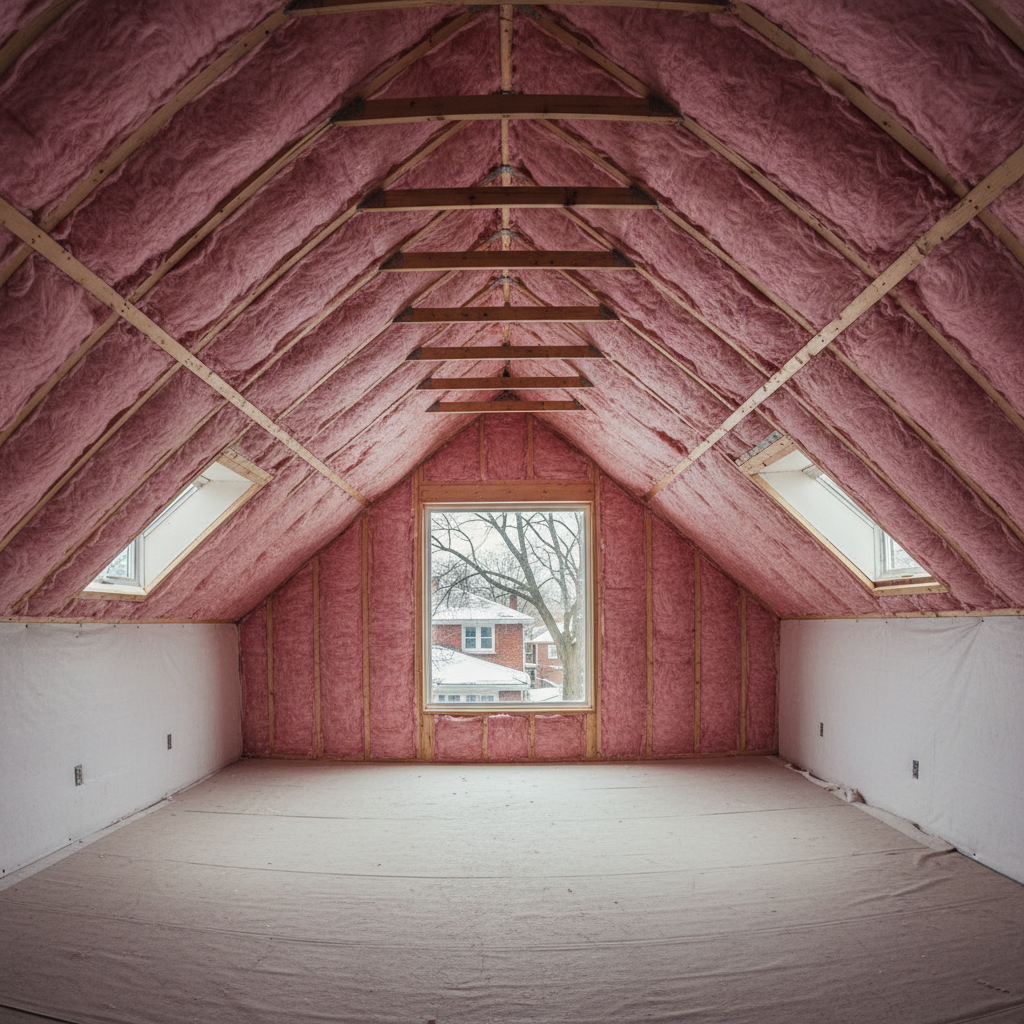
Alright, so you're thinking about upgrading your home's batt insulation. Good call, really. It's a solid investment that pays off big-time in comfort and lower energy bills, especially with our Chicago-area winters and those sticky Oak Park summers. But getting it done right? That means understanding the whole process. I've seen a lot of projects over the years, and I want to give you the straight scoop on what to expect.
Planning Your Batt Insulation Project Timeline
First off, let's talk timing. This isn't usually an emergency job, so you've got some wiggle room. From your initial call to when we actually finish up, here's a rough idea:
- Initial Contact & Estimate (1-2 weeks): You reach out, and we schedule a visit. I'll come out, take a look at your space – maybe it's an attic, some walls, or a crawl space. We'll chat about what you need, I'll measure everything up, and then I put together a detailed estimate for you. That usually takes a few days after my visit.
- Decision & Scheduling (1-3 weeks): You'll review the estimate, ask any questions you have, and then decide to move forward. Once you do, we'll get you on the schedule. Depending on the time of year and how busy we are, this could be a week or up to three weeks out. Spring and fall are always pretty hectic.
- The Installation Itself (1-3 days): For most residential batt insulation jobs, we're talking one to three days. A simple attic re-insulation might just be a day. If we're tackling walls, though, or multiple areas, it could stretch to two or three. We'll give you a clear timeframe during the estimate, naturally.
So, from just thinking about it to having it completely done, you're probably looking at a 3-8 week window. Plan accordingly, especially if you're trying to beat the heat or the cold.
What to Expect During the Installation Process
When my crew from Sunrise Insulation Co shows up, here's what's going to happen:
- Arrival & Setup: We'll arrive on time, introduce ourselves, and get straight to protecting your home. We lay down drop cloths and plastic sheeting in all work areas and traffic paths to keep things clean.
- Access & Prep: We'll need clear access to the areas we're insulating. This might mean moving some furniture or clearing out storage in an attic or basement. If there's old insulation that needs to come out, we'll handle that first.
- Installation: We'll cut and fit the batt insulation carefully. This isn't a job you rush; gaps and compressions kill performance, you know? We make sure it's snug, especially around electrical boxes, plumbing, and framing. If we're doing walls, we might need to open up sections of drywall, which we'll discuss beforehand.
- Cleanup: This is huge for us. We'll clean up all debris, vacuum, and leave your home as tidy as we found it, if not tidier.
- Final Walkthrough: Before we pack up, I or my lead foreman will walk you through the completed work, answer any last questions, and make sure you're happy.
It can be a bit disruptive, sure, but we do our best to minimize the impact on your daily routine.
How to Prepare Your Home for the Crew
You can help us make the job go smoothly. Here are a few things you can do:
- Clear the Path: Make sure there's a clear path from our entry point to the work area. Move any delicate items or furniture out of the way.
- Access Points: If we're working in the attic, clear the area around the attic access hatch. Same goes for basement or crawl space entries.
- Pets & Kids: For their safety and ours, it's best to keep pets and young children away from the work zone. There will be tools, materials, and some dust.
- Valuables: If you have anything particularly valuable or sentimental in the work area, move it to a safe spot.
- HVAC & Electrical: We might ask you to turn off your HVAC system for a bit, especially if we're working near ducts. We'll also need access to electrical outlets for our tools.
A little prep on your end goes a long way in keeping the project on schedule.
Questions to Ask Before Signing a Contract
Don't just sign on the dotted line without getting all your questions answered. You're investing in your home, so be thorough. Here's what I recommend asking any contractor:
- What R-value will you be installing, and is that right for my specific area? For Oak Park homes, especially older ones with balloon framing or shallow attics, getting the right R-value is crucial.
- What type of batt insulation are you using? Fiberglass, mineral wool, or something else? Each has its pros and cons.
- How will you handle obstacles like wiring, plumbing, and recessed lighting? Proper cutting and fitting around these is key to avoiding thermal bridges.
- What's your cleanup procedure like? Get specifics. You don't want a dusty mess left behind.
- Do you offer any warranty on the installation or the materials? A reputable company will stand by their work.
- Are you licensed and insured for this type of work in Illinois? Always, always ask for proof.
- What's the total cost, and are there any potential hidden fees? Get a firm, written quote that includes everything.
Asking these questions upfront protects you and ensures you're getting a quality job. You want a contractor who's transparent and confident in their work. That's how we operate at Sunrise Insulation Co, and it's what you should expect from anyone you hire.
Final Thoughts
Getting new batt insulation is a smart move for any Oak Park homeowner looking to boost comfort and cut down on those utility bills. Do your homework, ask the right questions, and prepare your home, and you'll be set for a smooth project and a cozier home.