What exactly is blown-in insulation, and how does it work?
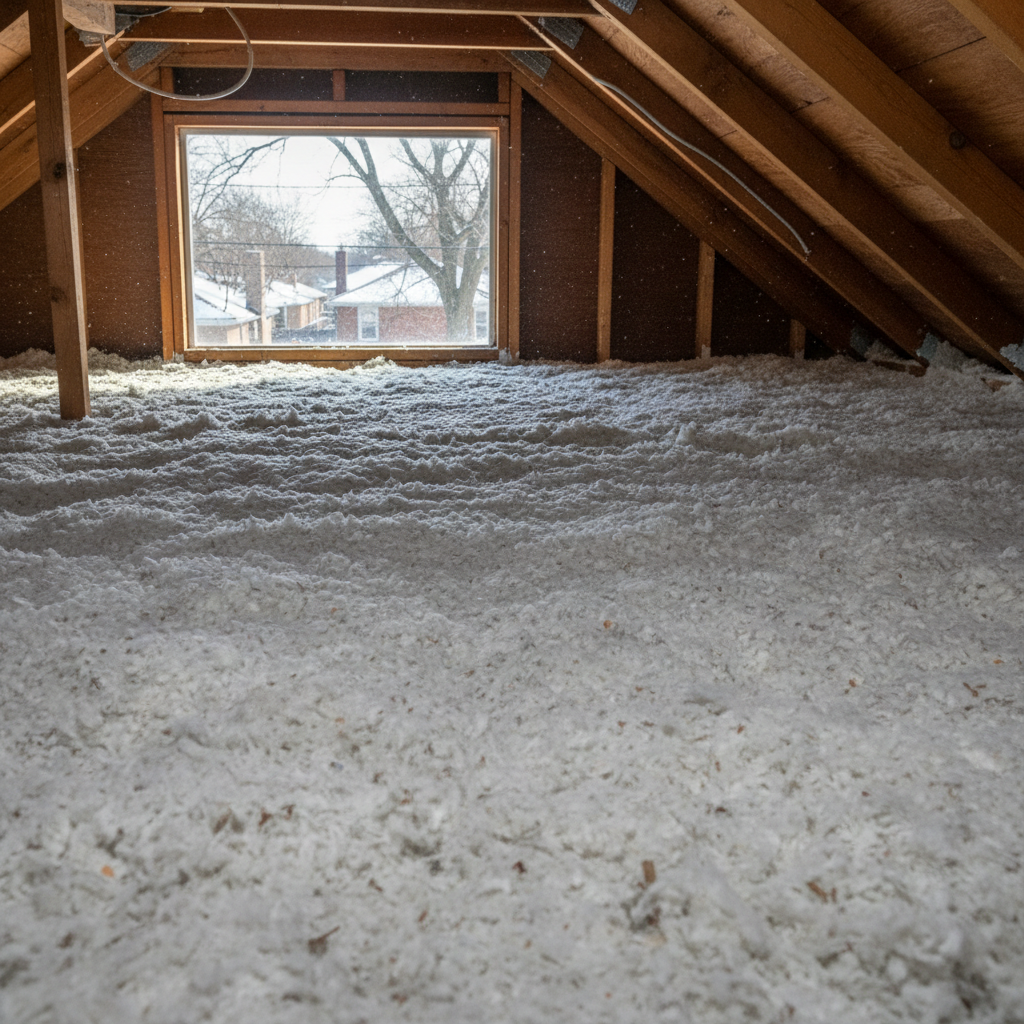
Alright, let's get down to brass tacks. When we talk about blown-in insulation, we're usually talking about cellulose or fiberglass. We process these materials into a loose, fluffy form. Instead of coming in pre-cut rolls or batts, we use a special machine. This machine feeds the material through a hose, then blows it into attics, wall cavities, or other spaces. Think of it like a big, powerful vacuum cleaner, but in reverse. The whole idea is to create a dense, seamless blanket of insulation. This blanket fills every nook and cranny, even those awkward spots around electrical wires or plumbing pipes that batt insulation just can't quite get to. This continuous layer is key. It stops air leaks and thermal bridging, which are big energy wasters.
Is blown-in insulation safe for my family and pets?
This is a question I get a lot, and it's a fair one. Generally speaking, yes, modern blown-in insulation materials are very safe. Cellulose, for example, is made mostly from recycled paper products. We treat it with fire retardants like boric acid, which is a naturally occurring mineral. Fiberglass, on the other hand, comes from spun glass fibers. During installation, there's some dust, so we always wear proper PPE. We also recommend homeowners stay out of the work area. Once it's in place, though? It's stable and doesn't off-gas harmful fumes. It's not something you'll be interacting with daily. We always make sure to seal off the work area properly during installation to keep any airborne particles contained. For folks with severe allergies or respiratory issues, we can definitely discuss specific material options to ensure everyone feels comfortable.
How long does blown-in insulation last, and does it settle over time?
Good question. You're investing in your home, so you want to know it'll stick around. Blown-in insulation, when installed correctly, can last for decades. Easily 20, 30, even 50 years or more. It's not something you typically need to replace unless it gets severely damaged by water, pests, or a major renovation. As for settling, that's a common concern. High-quality blown-in cellulose or fiberglass is designed to resist significant settling. There might be a very minor amount over many, many years, but it's usually negligible. It won't impact its thermal performance in a meaningful way. We always install to the manufacturer's recommended density. This ensures it maintains its R-value and doesn't settle excessively. If you've got an older home in, say, the Frank Lloyd Wright historic district, and it's never been re-insulated, you're likely seeing significant settling from whatever was originally put in there. That's probably why your energy bills are so high, isn't it?
Will blown-in insulation help with noise reduction, not just temperature?
Absolutely, that's one of the often-overlooked benefits. Blown-in insulation isn't just about keeping your home warm in winter and cool in summer. It's also a fantastic sound dampener. The dense, fibrous material creates a barrier that absorbs sound waves. This reduces both airborne noise (like traffic or noisy neighbors) and impact noise (like footsteps from an upstairs room). If you live near a busy street or have a multi-story home where sound travels, adding blown-in insulation to walls or between floor joists can make a noticeable difference. Your home will feel much quieter and more peaceful. It's not soundproofing, but it definitely improves acoustic comfort.
What's the typical R-value I should aim for in my Oak Park attic?
The R-value basically tells you how well the insulation resists heat flow. The higher the R-value, the better it insulates. For attics in our climate zone here in Oak Park (Zone 5), the Department of Energy recommends a pretty high R-value. We're talking R-49 to R-60 for uninsulated attics. If you're adding to existing insulation, aim for R-38 to R-49. That's a lot of insulation, usually meaning a depth of 15 to 20 inches, depending on the material. With our harsh winters and hot, humid summers, hitting those numbers is crucial for energy efficiency and comfort. Don't skimp on this; it's where you'll see the biggest return on your investment in terms of lower utility bills.
Can blown-in insulation be installed in existing walls without tearing them open?
Yes, and this is one of the biggest advantages of blown-in insulation. It's especially great for older homes that weren't built with much insulation in the wall cavities. We can often insulate existing walls without having to rip out drywall or plaster. The process involves drilling small holes (usually about 2-3 inches in diameter) at strategic points in the exterior siding or interior walls. Then, we insert the hose and blow the insulation into the cavity until it's completely filled. Once the insulation is in, we plug the holes with a cap or patch them up. This makes the repair virtually invisible. It's a much less invasive and more cost-effective way to upgrade your wall insulation compared to a full tear-out. This is a common solution for many of the beautiful, but often drafty, older homes we have around Oak Park.
How do I know if I need more blown-in insulation in my attic?
There are a few tell-tale signs. First, high energy bills, especially when compared to neighbors with similar-sized homes. Second, inconsistent temperatures throughout your house – some rooms are always too hot or too cold. Third, if you go up into your attic and can see your ceiling joists, you probably don't have enough insulation. You should ideally have insulation covering the tops of those joists. Another sign is ice dams forming on your roof in winter; that's often a direct result of heat escaping from your attic and melting snow, which then refreezes at the eaves. If you're experiencing any of these, it's a good idea to have a professional come out and take a look. We can do an inspection, measure your current R-value, and give you an honest assessment of what you need. Sunrise Insulation Co. offers free estimates, so there's no harm in getting it checked out.
What's the typical cost for blown-in insulation in an Oak Park home?
Alright, let's talk money. The cost for blown-in insulation can vary quite a bit, depending on several factors. Things like the size of the area being insulated (attic, walls, etc.), the type of material (cellulose or fiberglass), the desired R-value, and whether any old insulation needs to be removed first all play a role. For an attic, you're generally looking at a price per square foot, which includes both the material and the labor. Wall insulation can sometimes be a bit more complex due to the drilling and patching involved. It's really hard to give a blanket number without seeing the job, but I can tell you this: it's one of the most cost-effective home improvements you can make in terms of energy savings. Most homeowners see a significant reduction in their heating and cooling bills, often enough to pay back the initial investment within a few years. Plus, there might be rebates or tax credits available that can help offset the cost. The best way to get an accurate figure is to have us come out and give you a free, no-obligation estimate tailored to your specific home and needs.