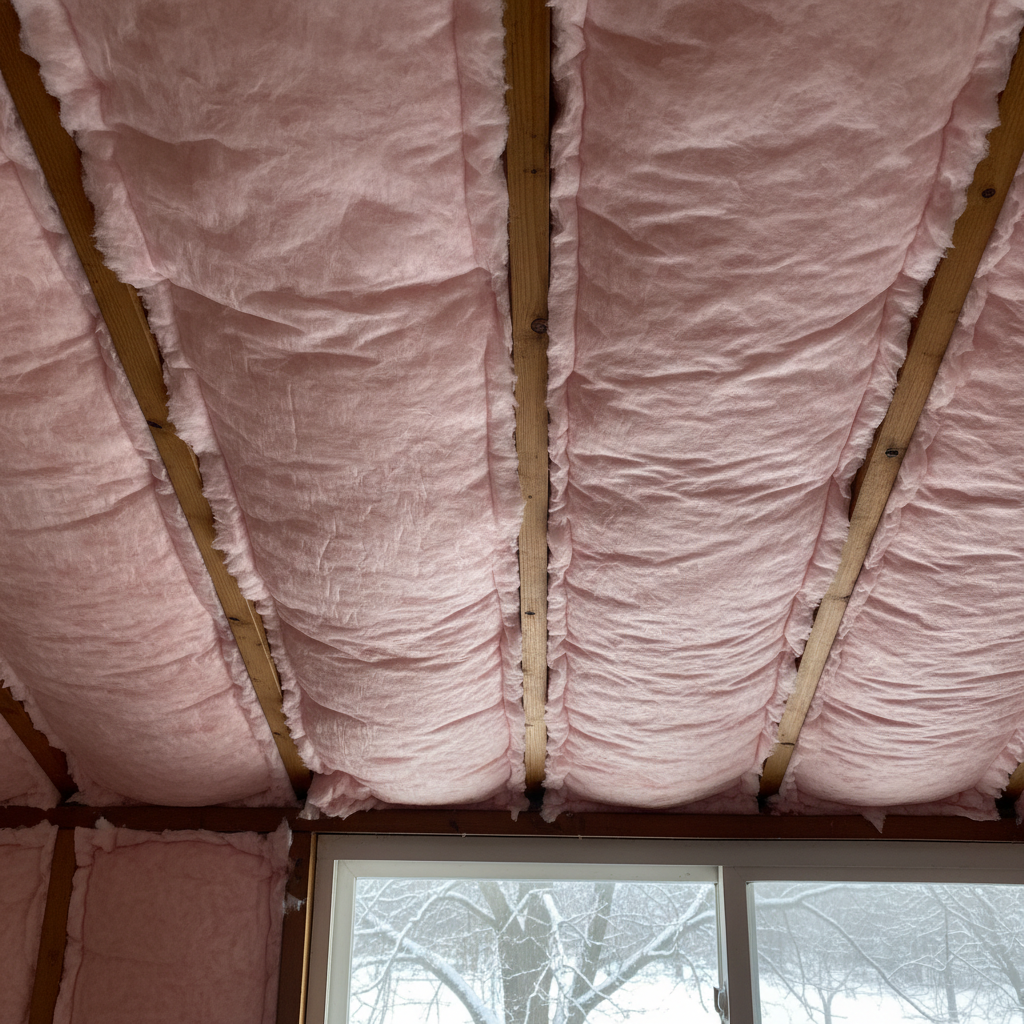
Alright, let's talk batt insulation. You're looking at improving your home's comfort and cutting down on those utility bills, and batt insulation is a solid choice for a lot of folks. It's not rocket science, but there are definitely right ways and wrong ways to do it. I've seen plenty of both in Oak Park attics over the years. So, can you install it yourself? Sometimes. Let's break down what you need to know.
Before You Even Buy a Batt: Planning & Prep
First things first, you gotta figure out what you're insulating. Is it an attic? A wall cavity? A crawl space? The approach changes depending on the area. For most homeowners looking to DIY, we're usually talking about attics or maybe some accessible wall cavities during a renovation.
- Measure Twice, Buy Once: Get accurate measurements of the area you're insulating. Length times width gives you square footage. Batts come in standard widths (15 or 23 inches, usually) to fit common stud or joist spacing. Don't forget to account for joist depth – you want the right R-value. For Oak Park, especially in these older homes with their balloon framing and sometimes drafty attics, I usually recommend R-38 or R-49 for attics, depending on what's already there and your joist height.
- Safety First, Always: This isn't optional. You'll need a good quality respirator (N95 or better, not just a dust mask), safety glasses, gloves, long sleeves, and pants. Fiberglass insulation is itchy, and you don't want those fibers in your lungs or eyes. Trust me on this.
- Clear the Area: Before you bring in any insulation, make sure the space is clean. Remove old, damaged insulation if it's moldy or water-damaged. Seal up any air leaks first – this is HUGE. Insulation slows heat transfer, but it doesn't stop air movement. Use caulk and expanding foam around plumbing stacks, electrical wires, and any gaps. This is often overlooked, but it's probably the most important step for energy efficiency.
- Ventilation Check: Make sure your attic has proper ventilation. Don't block soffit vents with insulation. You might need baffles to keep a clear path for air flow from the soffits up to the ridge vent. Otherwise, you're asking for moisture problems.
Getting Down to Business: Batt Installation
Okay, you've got your gear, your space is prepped, and you've got your batts. Now what?
- Cutting Batts: You'll need a sharp utility knife and a straight edge. Cut batts on a piece of plywood or scrap cardboard. Don't compress the batt too much when cutting; you want it to retain its fluffiness. Always cut slightly larger than the space you're filling – a snug fit is key.
- Faced vs. Unfaced: If you're adding a second layer in an attic over existing insulation, use unfaced batts. If you're installing in an empty cavity (like between joists in a new addition or a wall), use faced batts with the vapor barrier facing the conditioned (warm in winter) side of your home. In Oak Park's climate, that's usually towards the interior. Make sure to staple the flanges of faced batts to the studs or joists.
- Fit is Everything: This is where most DIYers mess up. Batts need to fit snugly without being compressed. If you cram it in, you reduce its R-value. Cut around obstructions like wires, pipes, and junction boxes. Don't just smash the insulation over them. Air gaps and compressed insulation are efficiency killers.
- Layering: For attics, you'll often lay batts perpendicular to the joists for the second layer. This helps cover the joists themselves, reducing thermal bridging.
When to Call a Pro (Seriously)
Look, I'm all for homeowners doing what they can. But there are times when it's just smarter, safer, and more effective to bring in someone who does this every day. Here's when you should pick up the phone:
- Hard-to-Reach Areas: If your attic is a tight crawl space, has a really low pitch, or is just plain difficult to navigate, don't risk it. Falls and injuries happen. Plus, you won't get a good install if you can't move properly.
- Extensive Air Sealing Needed: If your home is particularly leaky, or you have complex areas around chimneys, recessed lights, or ductwork that need sealing, a professional insulation company like Sunrise Insulation Co. has the tools and expertise to do it right. We've got infrared cameras to spot those hidden leaks.
- Large Projects or Whole-House Upgrades: Insulating an entire attic, especially if it involves removing old insulation, is a big job. If you're looking at insulating walls throughout your house, or dealing with cathedral ceilings, that's definitely pro territory.
- Moisture or Mold Issues: If you suspect mold or have water damage, you need to address that problem first with a professional. Insulating over mold is a recipe for disaster.
- Specific R-Value Requirements: If you're aiming for a very specific R-value for energy rebates or building code compliance, a professional can ensure you meet those standards.
A good batt insulation install can make a huge difference in your home's comfort and energy bills. If you're tackling a small, straightforward area, go for it. Just make sure you're doing it safely and correctly. But for anything more complex, don't hesitate to give us a call. We're here to help Oak Park residents keep their homes cozy and efficient.