Thinking about finishing your basement? Or maybe you just want to stop it from feeling like an icebox down there. Smart move. Insulating your basement is seriously one of the best things you can do for both comfort and your energy bills, especially if you live in an older Oak Park home with those classic stone foundations. But, oh boy, I’ve seen plenty of folks stumble on this project. Let’s go over the biggest mistakes I spot homeowners making when they’re planning or hiring for basement insulation.
Mistake #1: Not Understanding Moisture Control First
This one's probably the most important, and it’s where a lot of DIYers – and even some less experienced contractors – mess up. Your basement isn't like your attic, you know? It's below ground, surrounded by damp earth, and those old clay tile drains might not be doing their job anymore. You absolutely have to tackle moisture before you even think about insulation. I'm talking about checking for leaks, making sure your gutters are clear and draining well away from the foundation, and maybe even considering a vapor barrier or proper drainage if you've got a persistent dampness issue. Just slapping insulation over a moisture problem? That's a direct invitation for mold, mildew, and ruined insulation down the road. You’ll just end up ripping it all out and starting over, which is a total waste of time and money.
Mistake #2: Hiring the Cheapest Bid Without Asking the Right Questions
Look, I totally get it. Everyone wants a good deal. But when you're talking about something as critical as basement insulation, the cheapest bid often turns out to be the most expensive in the long run. I’ve seen homeowners jump at a low price only to discover the contractor skipped key steps, used crummy materials, or just didn’t grasp the unique challenges of insulating an old Oak Park bungalow basement. You really need to ask questions:
- What kind of insulation are they suggesting and why?
- How will they handle moisture and air sealing?
- Are they licensed and insured, by the way?
- Can they give you some local references?
- What kind of warranty do they offer on their work and the materials?
A good contractor, like us at Sunrise Insulation Co, will be more than happy to walk you through their process and explain their choices. If someone’s rushing you or can’t answer these questions clearly, well, that’s a pretty big red flag.
Mistake #3: Picking the Wrong Type of Insulation for Your Basement
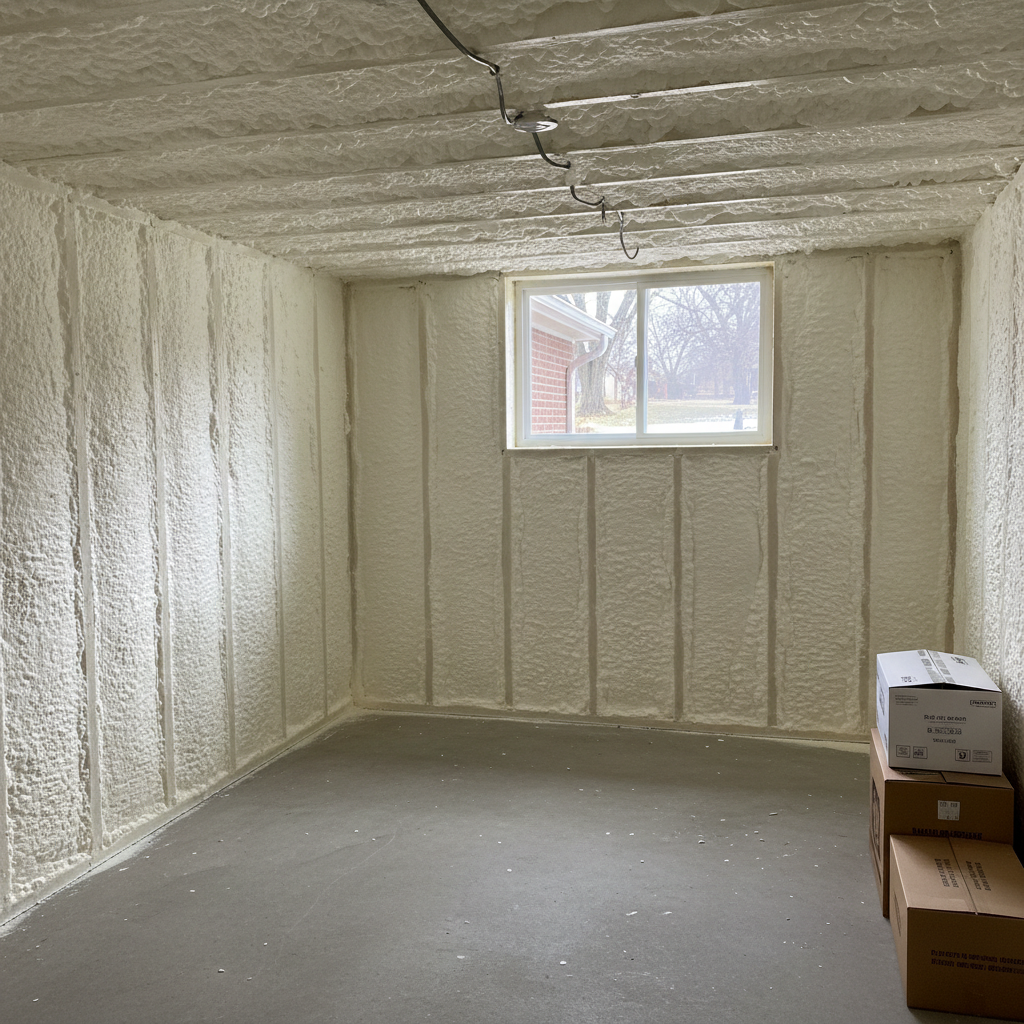
Not all insulation is created equal, especially when it comes to basements. You've got choices: fiberglass batts, rigid foam boards, spray foam. Each has its place, but some are definitely a better fit for basement jobs than others. Take plain fiberglass batts, for example, directly against a foundation wall without proper air sealing and a vapor barrier? That's just asking for trouble. It can soak up moisture, sag, and lose its R-value, basically becoming a perfect spot for mold to grow. Rigid foam boards or closed-cell spray foam are usually much better choices for basement walls because they work as both insulation and a vapor barrier, and they don't absorb water. Plus, they seal air really well, which is super important for stopping drafts and moisture from getting in. Make sure your contractor explains the pros and cons of each option for your specific basement, not just pushing whatever they happen to have on the truck.
Mistake #4: Forgetting About Air Sealing
Insulation? That's only half the fight. Air sealing is the other, equally vital half. You could have the highest R-value insulation in the world, but if cold air is still sneaking in through cracks and gaps around your rim joists, sill plates, and foundation penetrations, you're just losing a ton of energy. I always tell folks, air sealing is like putting on a windbreaker, and insulation is like putting on a warm sweater. You need both to truly stay comfortable. A proper basement insulation job will include careful air sealing before any insulation even goes in. This means using caulk, expanding foam, or special tapes to seal up every tiny opening. It makes a huge difference in preventing drafts and keeping your basement dry and comfy.
Mistake #5: Not Considering Long-Term Performance and Health
This isn't just about saving a few bucks on your heating bill next month. It's about creating a healthy, comfortable living space that will last for decades. Poorly insulated or incorrectly installed basement insulation can lead to ongoing moisture issues, bad indoor air quality, and even structural problems. Think about the materials they're using: are they mold-resistant? Do they release harmful chemicals? Are they tough enough to handle the basement environment? You're making an investment in your home, after all. Do it right the first time, and you'll enjoy the benefits for years to come. Don't let a quick fix turn into a long-term headache.
So, there you have it. Don't fall for these common blunders. Do your homework, ask the tough questions, and make sure you’re working with someone who really knows their stuff when it comes to basement insulation. Your Oak Park home, and your wallet, will definitely thank you.