Do I really need to insulate my garage in Oak Park?
Look, if you're just parking your car in there and never stepping foot inside, maybe not. But for most folks, the garage is more than just a car shelter. It's a workshop, a storage area, a mudroom entry, or even a home gym. If you spend any real time out there, or if that garage shares a wall with your living space, then yes, you absolutely need insulation. Our winters here in Oak Park can be brutal, and those uninsulated walls and ceilings are just bleeding heat from your house or making your garage an icebox. In the summer, it's the opposite problem – a heat trap. Good insulation keeps those temperature swings in check, making the space more comfortable and saving you money on your utility bills.
What's the best type of insulation for garage walls and ceilings?
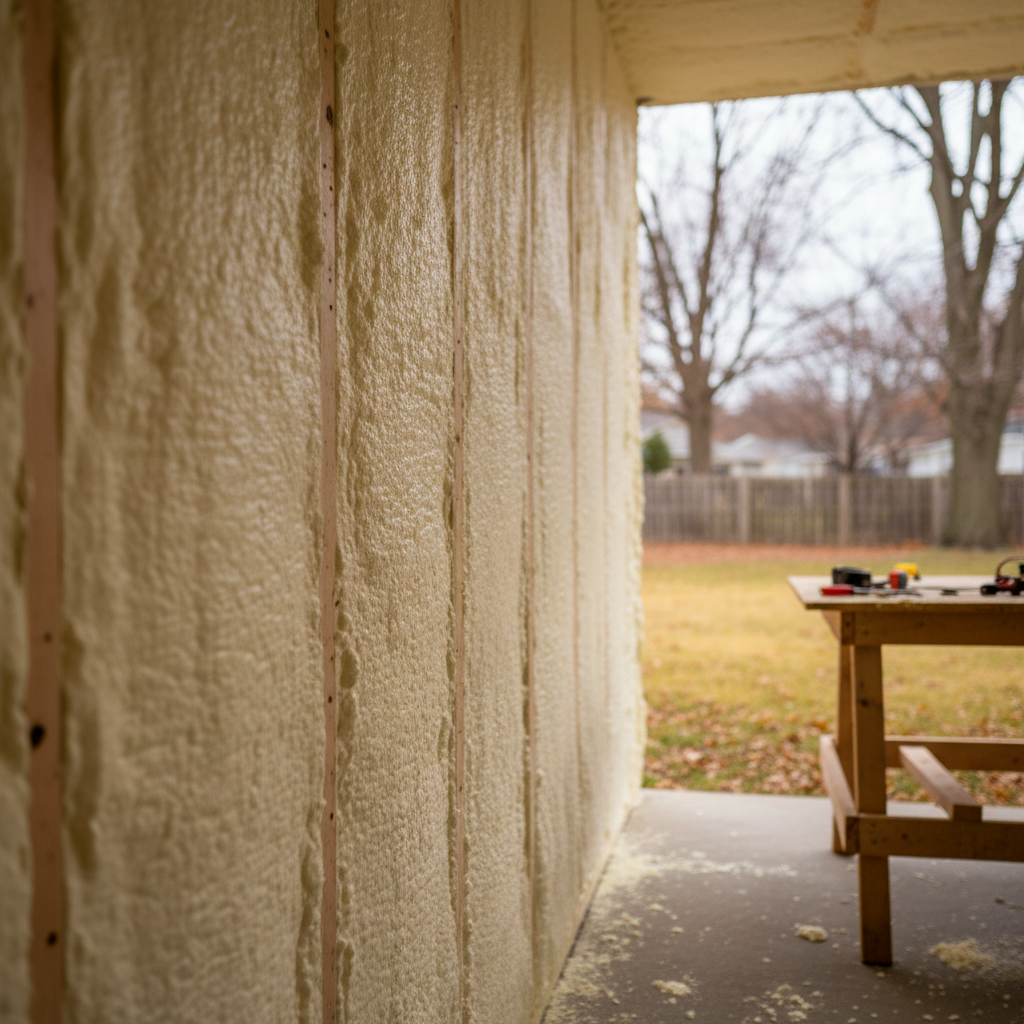
This isn't a one-size-fits-all answer, but I can tell you what I recommend most often. For walls, especially if they're open stud bays, fiberglass batts are a common and effective choice. They're relatively inexpensive and do a good job. However, if you want to step it up, spray foam insulation – either open-cell or closed-cell – is fantastic. It creates an airtight seal, which is huge for energy efficiency, and it's great for irregular spaces. For ceilings, particularly if there's an attic space above, blown-in cellulose or fiberglass can work well. If you're insulating a finished ceiling, spray foam again offers excellent performance. We often see older Oak Park garages, especially those built before the 1950s, with uninsulated block walls. For those, rigid foam boards or even furring out the walls to add batt insulation are good options. It really depends on your budget, how you use the garage, and the existing structure.
Should I insulate my garage door too?
You bet your bottom dollar you should. An uninsulated garage door is a massive thermal hole in your garage. Think about it: it's a huge surface area, often made of thin metal, constantly exposed to the elements. Insulating the door itself can make a huge difference in the overall temperature of your garage. You can buy pre-insulated doors, or if your existing door is in good shape, you can add insulation kits. These usually involve rigid foam panels that fit into the door's sections. It's a relatively inexpensive upgrade with a big payoff, especially if you have a heated garage or a room above it.
How much does it cost to insulate a garage in Oak Park?
Alright, let's talk brass tacks. The cost varies a lot based on the size of your garage, the type of insulation you choose, and whether we're talking about walls, ceiling, or the door. For a typical two-car garage, you could be looking anywhere from a few hundred dollars for a DIY door insulation kit to several thousand for a full spray foam job on walls and ceiling. Fiberglass batts will be on the lower end, while spray foam will be on the higher end due to the material cost and specialized installation. The best way to get an accurate number is to have us come out and give you a free estimate. We'll look at your specific garage, discuss your goals, and give you a clear breakdown. Don't cheap out too much here; good insulation is an investment that pays you back over time.
Will insulating my garage make it completely soundproof?
No, not completely soundproof, but it will definitely help with sound dampening. Insulation, especially denser materials like certain types of fiberglass batts or spray foam, can absorb sound waves, reducing the amount of noise that travels in and out of your garage. So, if you've got a noisy workshop or you're trying to keep the sounds of your band practice from bothering the neighbors on a quiet Tuesday evening, insulation will make a noticeable difference. It won't create a recording studio, but it'll take the edge off and improve the acoustic comfort of the space.
Can I insulate my garage myself, or should I hire a professional?
Some aspects of garage insulation are definitely DIY-friendly. Adding rigid foam panels to your garage door is a pretty straightforward project for most handy homeowners. Installing fiberglass batts in open stud walls can also be done yourself, though it requires proper safety gear (gloves, mask, eye protection) and attention to detail to ensure good coverage without gaps. However, for more complex jobs, like spray foam insulation or insulating finished walls and ceilings, I strongly recommend hiring a professional. Spray foam requires specialized equipment and expertise to apply correctly, and if it's not done right, you won't get the R-value or air sealing benefits. Plus, we often find hidden issues or tricky spots that a professional like Sunrise Insulation Co. knows how to handle efficiently and effectively. You want it done right the first time, especially when it comes to something that impacts your home's energy efficiency.
What about ventilation? Do I need to worry about that after insulating?
That's a smart question, and yes, you absolutely should consider ventilation. When you insulate and air seal your garage, you're making it much tighter, which is great for energy efficiency but can sometimes trap moisture or fumes. If you're using your garage for anything that produces moisture (like doing laundry) or fumes (like painting, working on cars, or storing chemicals), proper ventilation becomes even more critical. This could mean installing an exhaust fan, ensuring you have adequate passive vents, or simply making sure you can open windows and doors when needed. We can discuss ventilation options when we look at your garage; it's an important part of creating a healthy and comfortable insulated space.