Do I really need to remove my old insulation, or can I just add more on top?
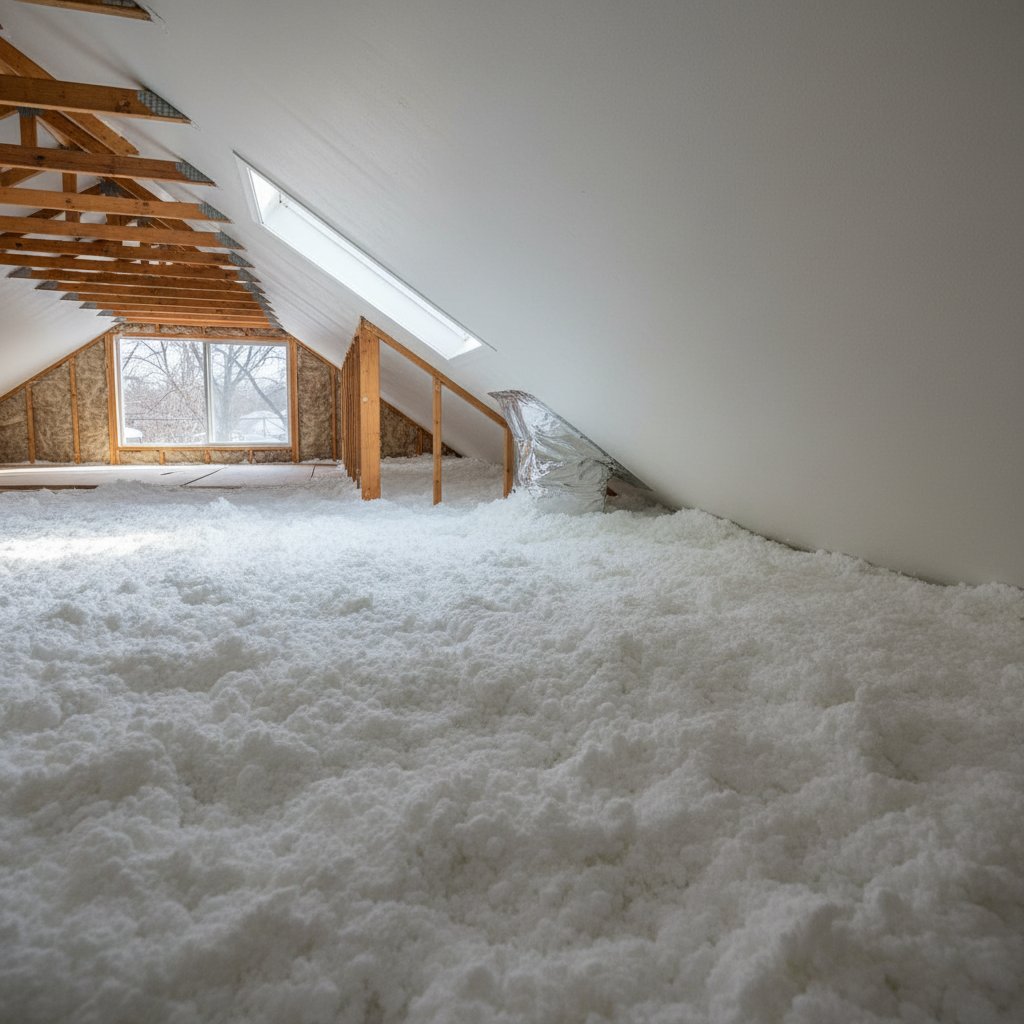
This is probably the most common question I get, and it's a really good one. A lot of folks think they can just pile new insulation right over the old stuff, especially if it's blown-in. Sometimes, you absolutely can. If your existing insulation is dry, clean, and hasn't been messed up by pests or moisture, adding new insulation on top can be a perfectly fine, cost-effective way to boost your R-value. People often call it an 'insulation top-up' or 'attic cap.' We do it all the time for homes in Oak Park looking to improve energy efficiency without a full overhaul.
But here's the catch: if your insulation is moldy, water-damaged, or infested with rodents or insects, or if it's settled so much it's practically dust, then no. You absolutely should not just add more on top. You'd only be trapping all those problems under a new layer, creating a much bigger headache down the road. That's when removal becomes essential, no two ways about it.
How do you actually remove insulation? Is it a dusty, messy job?
Yeah, it can be a dusty job if it's not done right, but we take a ton of precautions to keep your home clean. We use specialized, high-powered vacuums with long hoses that run from the attic or crawl space directly outside to a big collection bag on our truck. This means the vast majority of the dust, debris, and old insulation material gets sucked right out of your house without ever passing through your living areas.
Before we even start, we lay down drop cloths and seal off access points to minimize any dust getting around. It's not a quick process, mind you; we're vacuuming every nook and cranny to make sure we get as much of the old stuff out as possible. We're talking about removing everything from old fiberglass batts to loose-fill cellulose or rock wool. Our goal is to leave your attic or crawl space as clean as possible, completely ready for new insulation.
What are the main reasons someone would need insulation removed?
There are a few big ones. First up, water damage. A leaky roof or burst pipe can soak insulation, making it useless and a perfect spot for mold and mildew to grow. Second, pest infestations. Squirrels, raccoons, mice, even birds — they all love to nest in insulation. They leave behind droppings, urine, and nesting materials that contaminate the insulation and can carry diseases. If you've got a critter problem, removal is a must.
Third, fire damage. Even if the insulation wasn't directly burned, smoke and soot can permeate it, leaving a lingering odor and making it a health hazard. Fourth, sometimes it's just old, degraded insulation. Over decades, some materials can break down, lose their R-value, or become compacted and less effective. And finally, sometimes it's for a major renovation or HVAC upgrade where the old insulation is simply in the way or needs to be replaced to meet new building codes.
Is insulation removal dangerous? What about asbestos?
Insulation removal can be dangerous if you don't know what you're doing or don't have the right equipment. You're dealing with dust, potential mold spores, pest droppings, and sometimes even sharp debris. That's why we always wear full protective gear, including respirators, gloves, and hazmat suits.
Regarding asbestos, it's a serious concern, especially in older homes around Oak Park built before the 1980s. Vermiculite insulation, in particular, often contains asbestos. If we suspect asbestos-containing material, we won't touch it until a certified professional has tested it. If it tests positive, we'll recommend a licensed asbestos abatement company because that's a specialized job that requires specific protocols and certifications beyond standard insulation removal. We put safety above all else.
How long does insulation removal take, and how much does it cost?
The time it takes really depends on the size of the area, the type of insulation, and how accessible it is. A typical attic in a two-story Oak Park home might take a day, maybe a day and a half for removal. A large, complex attic with lots of obstructions or a heavily contaminated crawl space could take longer. We always give you a clear timeline upfront.
As for cost, it varies widely. It's based on square footage, the depth and type of insulation, the level of contamination (e.g., extensive pest droppings or mold), and how easy it is to get into the space. It's tough to give a ballpark without seeing the job, which is why we always offer a free, no-obligation inspection and quote. We'll come out, assess your situation, and give you an honest price for the work that needs to be done. You'll find Sunrise Insulation Co is always transparent about our pricing.
What happens after the old insulation is removed?
Once we've removed all the old insulation, we clean up the space thoroughly. This often includes vacuuming up any remaining debris and, if necessary, sanitizing the area, especially if there was mold or pest contamination. We might also recommend air sealing any gaps or cracks we find to prevent future drafts and pest entry points. This is a crucial step that many homeowners overlook but can dramatically improve your home's energy efficiency and comfort.
Then, the space is ready for new insulation. We'll discuss the best options for your home, whether that's blown-in cellulose or fiberglass, or perhaps batt insulation, to ensure you get the optimal R-value and performance for our Chicago-area weather, which can be brutal in both winter and summer.