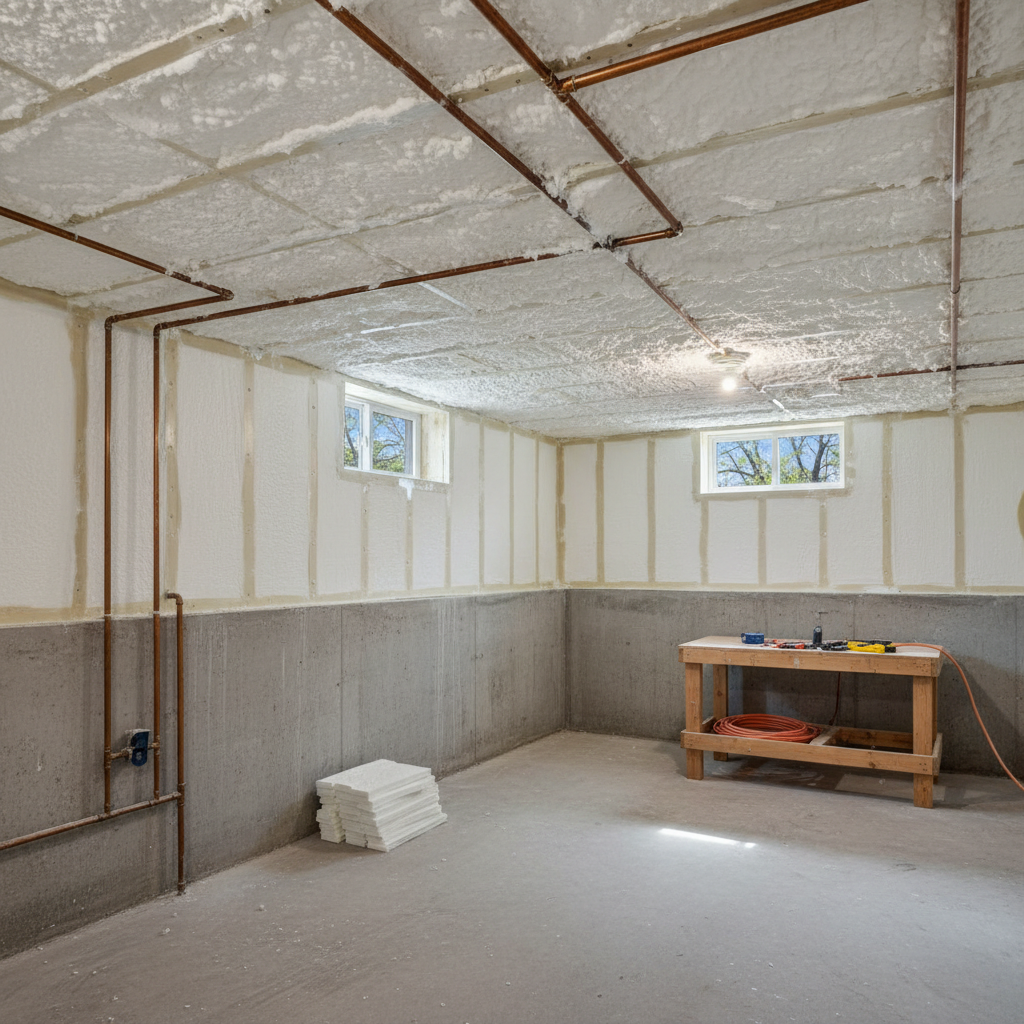
You invested in basement insulation, maybe even had Sunrise Insulation Co. do the job, and that's great. It's a smart move for comfort and energy bills, especially with our brutal Illinois winters and humid summers. But just like anything else in your home, it's not a 'set it and forget it' deal. A little attention goes a long way in making sure your insulation keeps doing its job for decades.
Extending Your Basement Insulation's Lifespan
The biggest enemy of basement insulation isn't time; it's moisture. Our clay soils here in Oak Park, especially in older neighborhoods like Frank Lloyd Wright's historic district, can hold onto water like nobody's business. That means your foundation is constantly dealing with dampness, and if that moisture gets into your insulation, you've got trouble.
Here’s what you can do to keep it dry and happy:
- Manage exterior drainage: This is huge. Make sure your gutters are clean, downspouts extend at least 6 feet away from your foundation, and the ground around your house slopes away from it. If water pools near your foundation, it's just looking for a way in.
- Address interior leaks immediately: A leaky pipe, a faulty water heater, or even a slow drip from a sink can soak insulation. Fix these fast. Don't let a small leak become a big insulation problem.
- Control humidity: Basements are naturally damp. A good dehumidifier, especially during those muggy July and August months, is your best friend. Aim for 30-50% relative humidity. Too high, and you're inviting mold and mildew, which can compromise insulation.
- Ventilate wisely: If you have a finished basement, make sure your HVAC system is properly balanced to circulate air. In unfinished basements, avoid opening windows during high humidity days, as that just brings more moisture in.
Regular Maintenance Checks You Can Do
You don't need to be an expert to keep an eye on things. A quick walk-through once or twice a year can save you a lot of headaches and money down the line.
- Visual inspection: Look at your walls and ceiling. Do you see any dark spots, staining, or discoloration? That's a red flag for moisture. Are there any visible gaps or sagging in the insulation itself?
- Feel for dampness: Gently press on walls or any exposed insulation. Does it feel damp or spongy? If so, you've got a moisture issue.
- Check for pests: Mice, insects, and other critters love to nest in insulation. Look for droppings, chewed material, or actual pests. They can tunnel through insulation, creating air gaps and reducing its effectiveness.
- Monitor your dehumidifier: If you have one, is it running constantly? Is its reservoir filling up quickly? That could indicate higher-than-usual moisture levels.
- Temperature consistency: Pay attention to cold spots or drafts. If a certain area of your basement feels noticeably colder or warmer than the rest, your insulation might be compromised there.
Warning Signs of Bigger Problems
These are the things that tell you it's time to stop inspecting and start calling.
- Musty odors: That classic basement smell isn't just