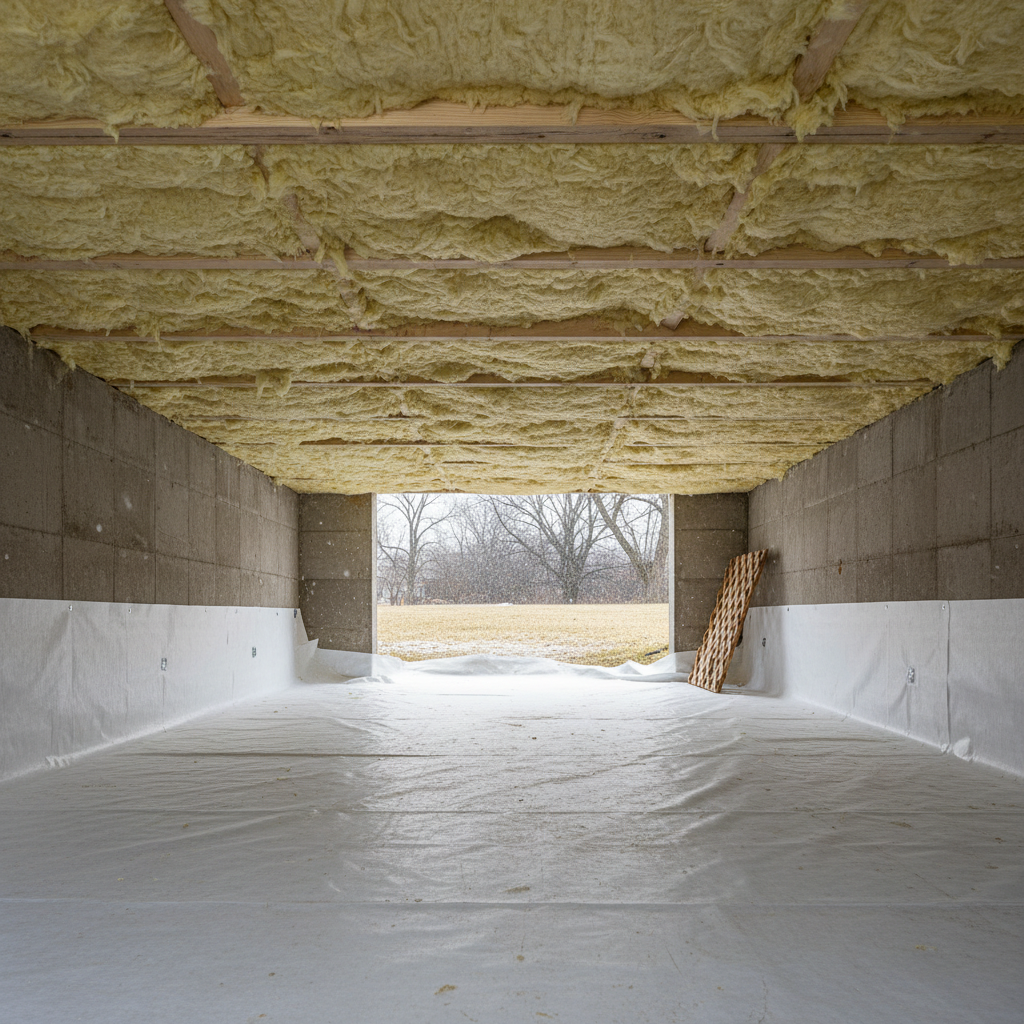
Alright, let's talk about crawl spaces. It's not the most glamorous part of your Oak Park home, I get it, but it's a critical one. A properly insulated crawl space can save you a bundle on heating and cooling bills, make your floors warmer, and even improve your indoor air quality. But when's the right time to tackle this project, and how do you make sure it lasts?
When to Schedule Your Crawl Space Insulation
Honestly, you can insulate a crawl space pretty much any time of year, but some seasons are definitely better than others. Here's what I've seen over the years working on homes from the Frank Lloyd Wright district to the older bungalows near Madison Street.
- Spring (Late March - May): This is often ideal. The ground has thawed, but it's not scorching hot yet. Technicians aren't battling extreme temperatures, which makes for more comfortable and efficient work. Plus, you're getting ahead of the summer heat, so your AC won't have to work overtime trying to cool air that's seeping up from a hot, uninsulated crawl space.
- Fall (September - November): Another great window. Temperatures are cooling down, but we usually haven't hit the really brutal cold snaps yet. Getting your crawl space insulated in the fall means you're all set for winter, keeping those cold drafts out and your heating bills down.
- Summer (June - August): It's doable, but it can be less comfortable for the crew. Crawl spaces can get pretty humid and stuffy in the summer, especially after a good rain. We'll still get the job done right, but if you have the flexibility, spring or fall might be a bit smoother.
- Winter (December - February): This is usually when we see the most urgent calls – frozen pipes, super cold floors. We can absolutely work in winter, but if there's standing water or frozen ground, it can add complications and sometimes requires extra steps before insulation can even begin. It's better to be proactive than reactive when it comes to winterizing.
Weather Conditions That Affect the Work
You might think, 'It's under the house, what does the weather matter?' Well, it matters a lot. We're not just dealing with the air temperature, but also ground conditions and moisture.
- Heavy Rain: If we've had a lot of rain, especially the kind that makes the Des Plaines River swell, crawl spaces can get wet. We can't insulate over standing water or excessively damp surfaces. We'd need to address the moisture issue first, whether that's drainage, dehumidification, or even a vapor barrier installation. Trying to insulate a wet crawl space is just asking for mold and insulation failure down the road.
- Extreme Cold: While we can work in the cold, it's tougher. Materials can be less flexible, and it's just harder on the crew. More importantly, if pipes are already frozen or burst, that becomes the immediate priority before insulation can be installed around them.
- High Humidity: This is a big one for Oak Park, especially in summer. High humidity can make the crawl space feel even more oppressive and can indicate underlying moisture problems that need to be fixed before insulation goes in. We want to seal out that humidity, not trap it in.
Protecting Your Investment Year-Round
Once you've got that fresh insulation in, you want it to last. Here's how you protect that investment:
- Address Moisture: This is number one. Make sure your gutters are clean and directing water away from your foundation. Check for leaky pipes in the crawl space regularly. A good vapor barrier on the ground is essential. If you've got recurring moisture, talk to us at Sunrise Insulation Co. about encapsulation – it's a game-changer for many homes.
- Keep Vents Closed (in Conditioned Crawl Spaces): If your crawl space is sealed and insulated, those old foundation vents should be closed up tight. They're letting in unconditioned air and moisture, undoing all the good work.
- Pest Control: Critters love dark, undisturbed spaces. Mice, rats, raccoons – they can tear up insulation pretty quickly. Make sure any entry points are sealed. If you suspect pests, get them out before they make a mess of your new insulation.
- Regular Inspections: It's not a bad idea to peek into your crawl space once a year, or have a professional do it. Just check for anything out of the ordinary – signs of water, pest activity, or damaged insulation. Catching small problems early saves you big headaches later.
Your crawl space works hard for your home, even if you rarely think about it. Giving it the right insulation at the right time, and then keeping an eye on it, means a more comfortable home and lower bills for years to come. If you're wondering about your specific situation, just give us a call.