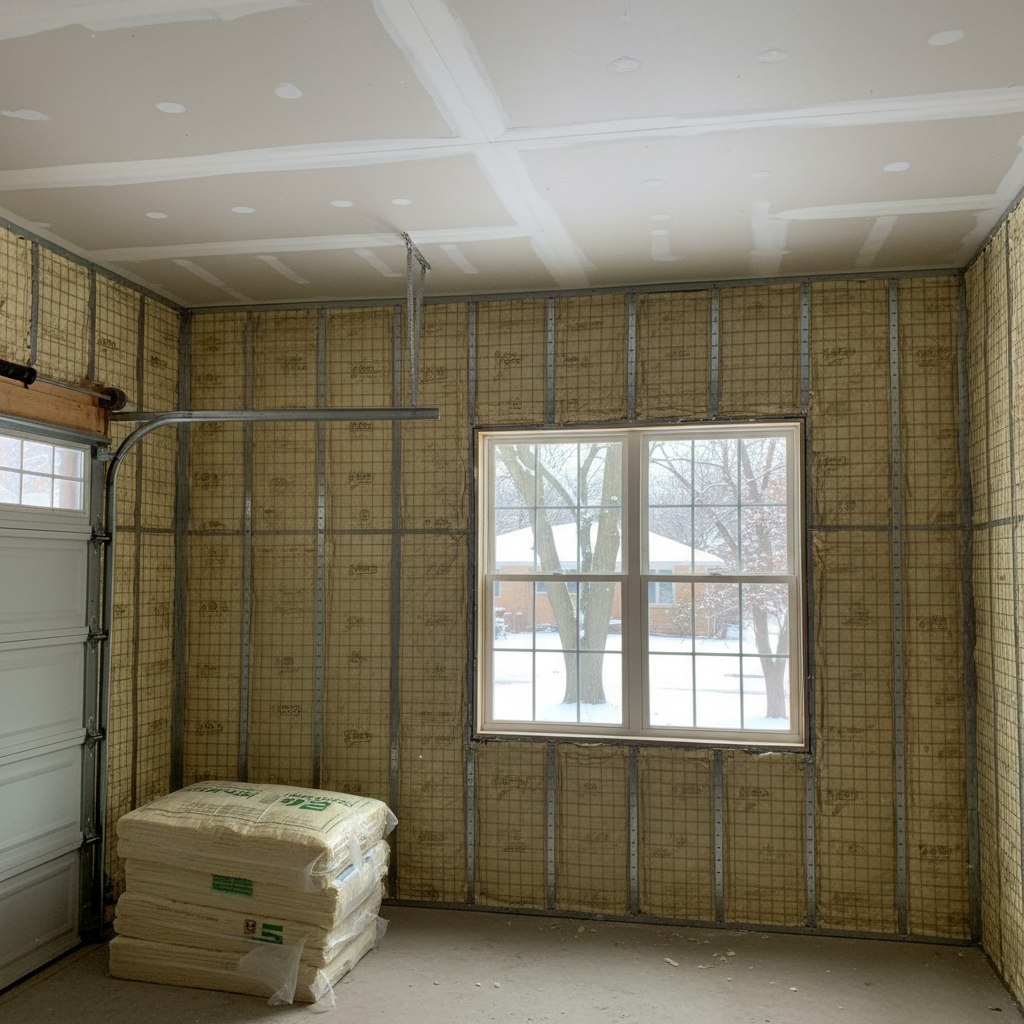
You want a comfortable garage, right? One that isn't an icebox in January or a sauna in July. Insulating it is the answer, but *when* you do it and how you maintain it really makes a difference. I've seen plenty of garages around Oak Park, from the older homes in the Frank Lloyd Wright Historic District to the newer builds near the Eisenhower, and every single one benefits from proper insulation. Let's talk about getting it done right, season by season.
When's the Best Time to Insulate Your Garage?
Honestly, you can insulate a garage pretty much any time of year. But some seasons are definitely better than others, both for the work itself and for getting on our schedule. If you're looking for the absolute sweet spot, I'd say late spring or early fall. Why those times?
Spring (April-May): The weather's usually mild then. It's not too hot, not too cold. This means our crews aren't battling extreme temperatures, which makes for more comfortable and efficient work. Plus, you'll be ready for those scorching summer days before they even hit, keeping your garage cooler for storage or projects.
Fall (September-October): Like spring, fall offers those comfortable, moderate temperatures. We're not dealing with frozen fingers or sweating through our shirts. Getting it done in the fall means you'll be all set for winter, protecting your car from the bitter cold and making your garage a more pleasant space for holiday decorating or winter hobbies.
Winter and summer? We do plenty of jobs then too, of course. But you might find our schedule fills up faster, especially when folks realize just how uncomfortable their uninsulated garage is. If you're thinking about it, don't wait until the mercury drops below zero or climbs into the 90s to give us a call. Plan ahead.
Weather Conditions That Affect the Job
When you're dealing with insulation, especially spray foam or even some batt installations, weather plays a role. It's not just about our comfort; it's about the materials themselves.
Extreme Cold: If we're doing spray foam, the chemicals need to be at a certain temperature to mix and cure properly. Too cold, and it just doesn't perform as it should. We can use heaters, but that adds complexity and time. For batt insulation, it's less of an issue, but working in a freezing garage isn't ideal for anyone.
Extreme Heat: High heat can also affect spray foam cure times and how it adheres. Plus, working in a super hot, enclosed space like a garage is tough on the crew. We'll always get the job done right, but mild conditions are just smoother, you know?
Rain/Humidity: This is a big one. We can't install insulation in a leaky or excessively damp garage. If you've got water issues—a leaky roof, cracks in the foundation, or poor drainage around your garage—those need to be fixed first. Insulation won't solve a moisture problem; it'll just trap it, leading to mold and material breakdown. Here in Oak Park, we get our fair share of wet springs and humid summers, so make sure your garage is dry before we even think about insulation.
Before any job, we'll do a thorough inspection. If we spot any issues that could compromise the insulation, we'll let you know. We're not just here to spray foam; we're here to make sure your investment lasts.
Protecting Your Garage Insulation Year-Round
Once your garage is insulated, you want to keep it that way. It's not a set-it-and-forget-it deal if you want it to perform optimally for years. Here’s what I tell folks:
Seal Up Gaps: Insulation helps, but if you've got a big gap under your garage door or around windows, you're still losing conditioned air. Check your weatherstripping on the door, and seal any cracks around windows or vents. It's simple stuff but makes a huge difference.
Manage Moisture: Again, moisture is the enemy. If you park a wet car in your garage every day during the winter, that moisture has to go somewhere. Make sure you have adequate ventilation, especially if you're using your garage for laundry or other activities that generate humidity. Consider a dehumidifier if it's consistently damp.
Keep it Clean: Dust and debris can accumulate on insulation over time, especially if it's exposed. While it won't ruin it immediately, keeping the area tidy helps maintain air quality and prevents potential issues. If you've got exposed batt insulation, be careful not to compress it with stored items, as that reduces its effectiveness.
Regular Checks: Every now and then, just take a look. Are there any signs of pests? Any new water stains? Is the insulation still looking good and intact? Catching small problems early can prevent bigger, more expensive ones down the line.
A well-insulated garage isn't just about comfort; it can protect your stored items, improve your home's energy efficiency, and even add value. At Sunrise Insulation Co, we're all about helping our neighbors in Oak Park make smart choices for their homes. Give us a call when you're ready to make your garage a better space.