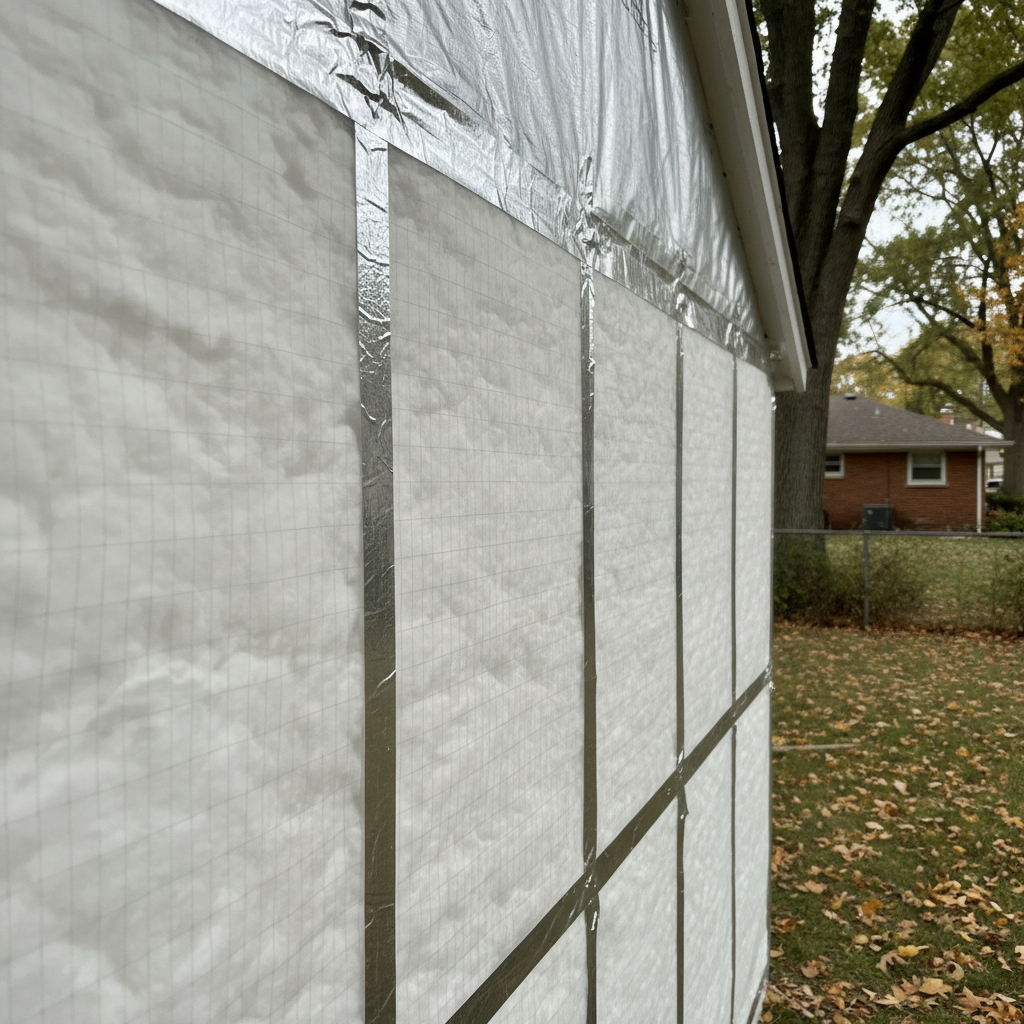
Alright, let's talk sheds. More specifically, let's talk about insulating them. I get a lot of calls from folks right here in Oak Park, wondering if insulating their shed is even worth the trouble, what kind of insulation to use, and if it's a DIY job or something that needs a pro. You've got questions, and I've got answers based on years of seeing what works and what doesn't, especially with our wild Chicago weather.
Why would I even bother insulating my shed?
That's usually the first thing people ask. Look, it's not just about keeping the cold out in winter, though that's a big part of it. If you're using your shed for anything more than just storing a lawnmower and some old patio furniture – maybe it's a workshop, a home office, a potting shed, or even just a place to keep sensitive tools or paints – then insulation is a game-changer. It stabilizes the temperature, which means your tools won't rust as fast, your paint won't freeze, and you won't freeze your backside off trying to get some work done in there. It also helps with humidity control, which is a huge deal for preventing mold and mildew, especially in our damp springs and humid summers.
What's the best type of insulation for a shed?
There's no single 'best' type, it really depends on your shed, your budget, and what you're trying to achieve. But I can tell you what I recommend most often for sheds around here:
- Rigid Foam Boards (XPS or Polyiso): These are fantastic. They've got a high R-value per inch, they're easy to cut and install, and they don't absorb moisture like some other materials. You can fit them snugly between studs, or even attach them directly to the interior walls. I've used a ton of these in older sheds, especially those with 2x3 framing, where space is tight.
- Fiberglass Batts: This is your classic pink or yellow stuff. It's affordable and effective, but you absolutely have to make sure it's installed perfectly – no gaps, no compression. And it needs a vapor barrier on the warm side (usually the inside in winter) to prevent moisture issues. It's not my first choice for sheds that might get damp, but if your shed is super dry and you're on a budget, it can work.
- Spray Foam: Now we're talking premium. Open-cell or closed-cell spray foam provides an incredible seal, conforming to every nook and cranny. It's got a great R-value, acts as its own air and vapor barrier, and adds a bit of structural rigidity. The downside? It's more expensive and usually requires a professional to apply. But if you want the absolute best performance and a truly conditioned space, this is it.
Do I need a vapor barrier?
Yes, almost always, especially in a climate like ours. A vapor barrier (or vapor retarder, to be precise) prevents moisture from getting into your insulation and causing problems like mold, mildew, and reduced insulation performance. For fiberglass, it's critical. For rigid foam, the foam itself often acts as one, but you still need to seal the seams with tape. Spray foam generally takes care of this on its own. Don't skip this step; it's a small detail that makes a huge difference in the long run, saving you from headaches down the road.
Can I insulate my shed floor and roof too?
Absolutely, and you should! People often just think about walls, but heat escapes and enters through every surface. Insulating the floor keeps cold from seeping up from the ground, making the space much more comfortable. Rigid foam board is usually the easiest and most effective way to do this under the subfloor. For the roof, you'll want to ensure proper ventilation to prevent moisture buildup, especially if you're using batts. Often, I'll recommend rigid foam or spray foam for shed roofs because they offer excellent thermal performance without compromising attic ventilation, which is crucial for preventing ice dams and extending the life of your roofing materials.
Is this a DIY job or should I hire a pro?
It depends on your comfort level and the type of insulation. If you're handy, insulating with rigid foam boards or fiberglass batts can definitely be a DIY project. Just make sure you research proper installation techniques, especially regarding vapor barriers and sealing gaps. If you're considering spray foam, that's almost always a job for professionals. It requires specialized equipment and expertise to apply correctly and safely. If you're not confident, or if your shed has tricky angles or existing moisture issues, calling in someone like us at Sunrise Insulation Co. can save you a lot of frustration and ensure the job's done right the first time.
How much does shed insulation cost?
Costs vary wildly depending on the size of your shed, the type of insulation, and whether you do it yourself or hire a pro. For a typical 8x10 or 10x12 shed, you might spend a few hundred dollars on materials for rigid foam or fiberglass if you DIY. If you're looking at professional spray foam, you could be looking at a thousand dollars or more. It's an investment, but think about the value it adds: protecting your belongings, creating usable space, and potentially saving you money on heating if you're running a small electric heater in there. It's not just an expense; it's an upgrade.
What about ventilation after insulating?
This is super important and often overlooked. When you seal up a shed, you're trapping moisture inside if you don't have a plan. Even with a vapor barrier, some moisture will always find its way in. Good ventilation helps move that moist air out and fresh air in, preventing condensation, mold, and stale odors. Simple gable vents, ridge vents, or even a small exhaust fan can make a big difference. You want enough airflow to prevent issues but not so much that you're losing all your conditioned air. It's a balance, and it's something I always discuss with clients when we're planning a shed insulation project.